

The Journal · Destinations
The Best Time to Visit Koh Samui, Honestly
It is the question we are asked more than any other, and it usually arrives with an apology attached. People assume there is a catch, that we will say every month is wonderful because we would like them to book one.
We won't. Some months here are better than others, one of them we would actively steer you away from, and there is a long stretch of the year that the rest of Thailand spends underwater while Samui quietly gets on with being lovely. Almost nobody outside the island knows about that last part. So here is the honest version, month by month, from people who have watched the weather from this rock for years.
One piece of geography explains everything
If you remember nothing else, remember this: Koh Samui runs on a different clock to the Thailand you have read about.
Most of the country, and certainly Phuket, Khao Lak and the whole Andaman coast, takes the southwest monsoon from roughly May to September. That is the famous Thai rainy season. It does not reach us. Samui sits in the Gulf of Thailand on the other side of the peninsula, sheltered, and takes the northeast monsoon instead, which arrives in October and does its worst in November.
The practical consequence is delicious. When the guidebooks tell you to avoid Thailand in July, they are talking about a coast we are not on. That is the single most useful thing we can tell you about timing a trip here, and it is why our week in June looks nothing like Phuket's.
February to April: the window, if you want the best of it
This is Samui at full strength. The dry season here runs from roughly mid January through April, and February is the driest month on the island, averaging something like 65mm of rain against an annual total near 1,645mm. Days sit around 29 or 30 degrees. The sea sits at 28 or 29, which is to say you do not think about it at all.
What actually matters, though, is the water. From February to April the Gulf goes close to flat, visibility is at its best of the year, and every boat day becomes a better version of itself. If you are coming here for the sea, and a lot of our guests are, this is not a close contest. It is why our guide to Ang Thong by private yacht keeps pointing at these same months.
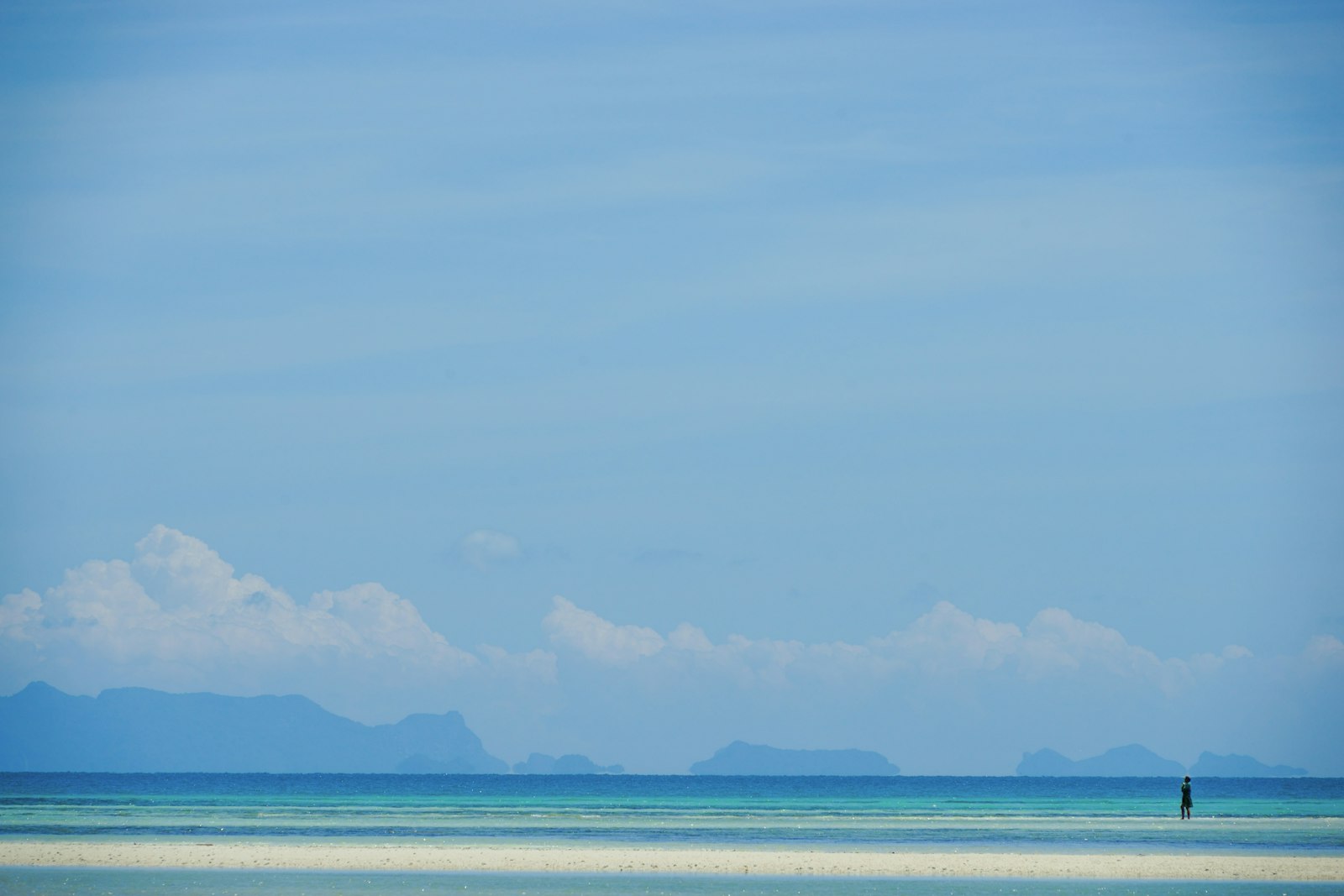
Our pick within the pick: March. February is marginally drier and marginally cooler, but March gives you the same sea, the same sky, slightly fewer people and noticeably better rates. April is hotter and carries Songkran in the middle of it, Thai New Year, which is either the highlight of your trip or something to schedule around. We are happy to arrange either.
May to September: the season nobody tells you about
Here is where we get evangelical, because this is the stretch that the internet gets wrong about Samui, over and over.
May through September on this island is not the rainy season. Monthly rainfall in that window runs between roughly 100mm and 135mm, which is a fraction of what November delivers and, frankly, less than plenty of European summers. Yes, it rains. It tends to rain hard for forty minutes in the afternoon and then stop, and the island looks better for it afterwards.
Meanwhile, across the peninsula, Phuket is taking the full southwest monsoon. So you have this slightly absurd situation every year where half of Europe reroutes its summer holiday away from Thailand entirely, while Samui sits here at 32 degrees with the sea at 30 and rates well below the February peak.
If you want the island at its best value with almost no meaningful weather compromise, come in June or July. We mean that. Late May also brings the Samui Regatta, which has been running since 2002 and fills the water off Chaweng with the best of the Asian racing fleet, and it is a genuinely good week to be here with a boat of your own.
October to December: the honest part
Now the caveat, and we would rather give it to you here than have you discover it from a villa terrace.
October brings around 295mm. November brings roughly 445mm and is the wettest month of the Samui year by a clear margin. December, around 265mm, is already recovering. The rain in these months is not the obliging afternoon burst of July. It can settle in for days, the Gulf can turn rough for a week at a time, and the occasional tropical depression parks grey weather over the island.
The boating consequence is the one people miss. Ang Thong National Marine Park usually closes from 1 November until around the middle of December, with the reopening date moving each year according to the sea. If the marine park is the reason you are coming, November simply is not your month, and no amount of concierge will change that.
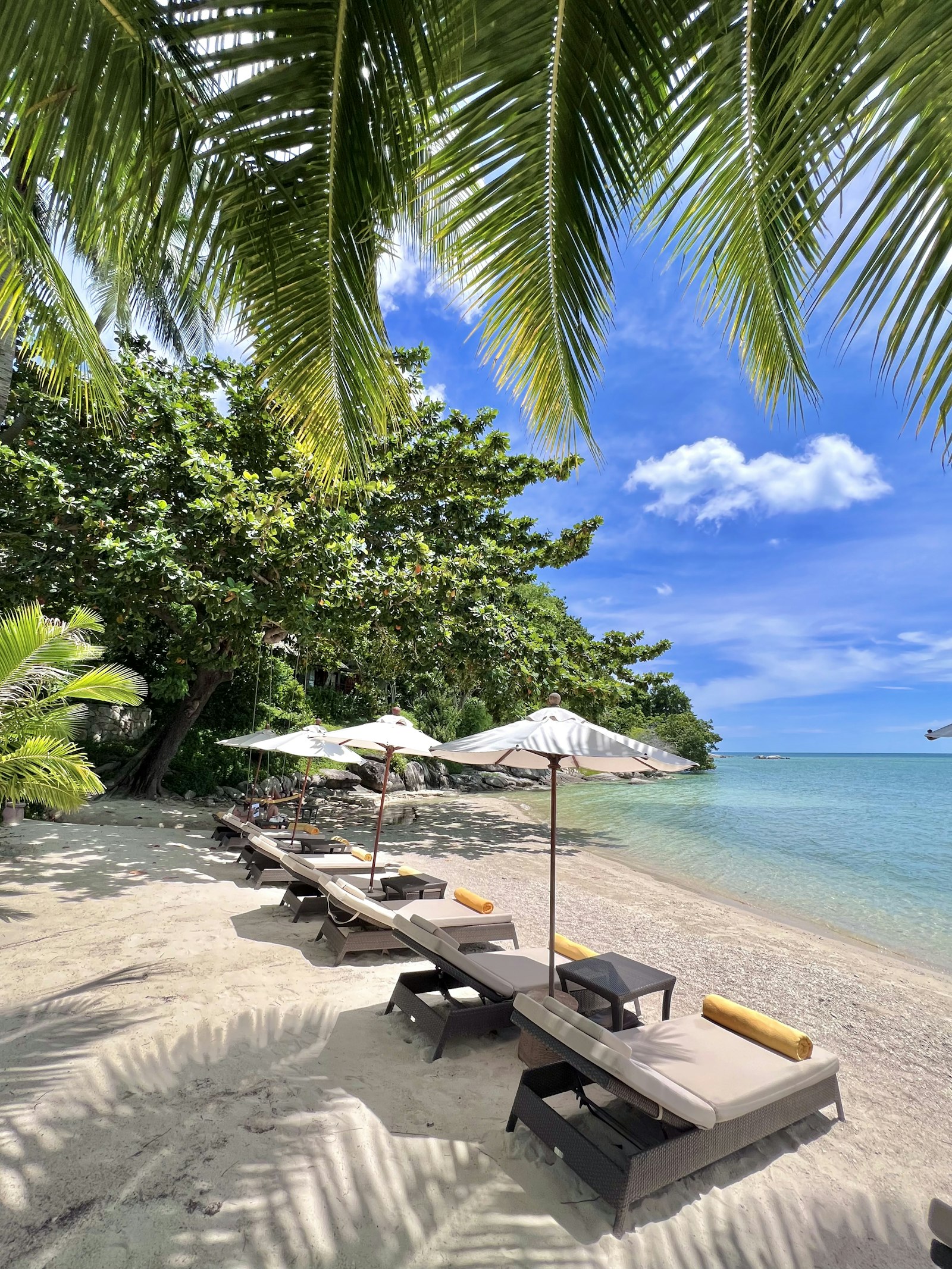
What we will say for the green season: the mornings are frequently bright, the sunsets in October can be absurd, the waterfalls inland actually have water in them, the island turns a colour it never manages in March, and villa rates are at their annual floor. For the right guest in the right house, with a proper kitchen and the good sense to plan indoors, it can be a wonderful and very cheap week. We have had guests do exactly that on purpose. We would just never let you book it blind.
Late December to January: expensive, then excellent
Christmas and New Year is the anomaly. The rain has mostly gone, the island is full, and it is the one week of the year when the maths turns against you: rates commonly run two to three times their usual level, and the villas worth having are gone a full twelve months in advance. If that is your window, talk to us now rather than in September. This is the work of our House of Real Estate, and it is almost entirely a game of lead time.
Then January arrives and something nice happens. The first half of the month is still shaking off the last of the wet, but by the second half the dry season has properly set in, the crowds have flown home, and you get February conditions at a fraction of the fuss. Late January is one of the most underrated pockets on the whole calendar.
Where you fly from shapes the answer
For British travellers the equation is generous: the UK winter lands squarely in our dry season, February half term falls in the driest month of the island's year, and we have written up the way we route the journey from the UK. Australian school holidays fall kindly here too, with the winter break arriving in the island's calm green season and none of the Phuket monsoon to dodge. And for guests flying from the Gulf, the case is simplest of all: when Dubai and Abu Dhabi hold above forty degrees through the summer, Samui sits ten degrees cooler with the sea at thirty, six easy hours away.
So what would we actually book
If you want the sea at its absolute best and money is not the deciding factor, come in March.
If you want the smartest trip on the calendar, come in June. Better rates, near enough the same island, and the satisfaction of knowing why you are here and everyone else is in Europe.
If you are bringing a family over the winter holidays, book Christmas a year out or take late January instead, which is quietly the better fortnight anyway.
And if November is genuinely your only window, tell us early. We will pick the house differently, plan the week differently, keep the marine park out of it, and it can still be very good. It just needs to be built that way from the start. That is what our House of Lifestyle and House of Experience are for, and a rainy fortnight is where the difference actually shows.
Whichever month you land in, the shape of the week matters more than the weather does. Our insider's guide to Koh Samui covers the villas, the tables and the parts of the island most visitors never reach. And if you need a first or last night near the airport, Anantara Lawana is the one resort on Chaweng we send people to without hesitating.
Timing Koh Samui: the questions we get
- What is the best month to visit Koh Samui?
February, if you want one answer. It is the driest month of the year here, averaging around 65mm of rain against an annual total near 1,645mm, and the Gulf is at its flattest. March runs it very close and costs less. If you are choosing purely on weather, you will not beat that pair.
- When is the rainy season in Koh Samui?
October to December, with November the wettest month at roughly 445mm on long-term averages. This is the northeast monsoon, and it is the opposite of the pattern on the Andaman coast. Samui is wet when Phuket is dry, and dry through much of the season when Phuket is not.
- Is it worth visiting Koh Samui in the rainy season?
Sometimes, and we will tell you honestly which. Mornings are often bright, the island is at its greenest, and villa rates are at their floor. But November can deliver several grey days in a row, and Ang Thong National Marine Park usually closes from 1 November to around mid December. If a boat matters to you, do not come in November.
- When should you book a villa for Christmas and New Year in Koh Samui?
A year ahead for the houses worth having. Christmas and New Year is the one week on Samui where demand genuinely outruns supply, rates commonly run two to three times their usual level, and the best villas are gone twelve months out. Everything else on the calendar is far more forgiving.